Recycling and Sustainability for Gardeners Westminster
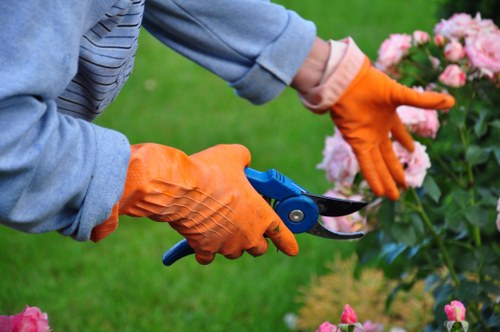 Gardeners Westminster is committed to a clear, measurable approach to eco-friendly waste disposal. This recycling and sustainability statement outlines our practical steps to create a sustainable rubbish gardening area, reduce landfill, and support the borough's wider environmental ambitions. We set a bold target: a 70% recycling percentage target for garden and green waste outputs across our operations by 2030, aligning with local and national commitments to cut carbon and improve resource recovery.
Our approach to Gardeners Westminster recycling recognises the particularities of the boroughs' approach to waste separation: food and garden waste are collected separately from dry recyclable materials, compostable material is processed locally where possible, and contaminated loads are minimised through better on-site sorting. We work with clients to separate woody waste, prunings, soil, and mixed green residues at source to increase the yield of recyclable and reusable materials.
Low-carbon transport and transfer stations
We operate a fleet that is increasingly low-emission: our transition to low-carbon vans — including hybrid and electric vehicles for inner-borough work — reduces both local air pollution and the carbon footprint of routine collections. When waste does need to move off-site we use approved local transfer stations in and around Westminster to keep travel distances short and ensure materials enter proper processing streams quickly.Partnerships are central to our sustainable rubbish gardening area model. We have active collaborations with local charities and social enterprises to divert reusable items from waste streams. Strong partnerships mean that usable soil, potted plants, and salvageable timber are offered first to community allotments, habitat restoration projects, and urban greening charities before any consideration of disposal.

Practical recycling activities on site
In practice our teams follow procedures that reflect best practice for gardeners and landscape teams in Westminster: segregate leaf litter and compostables, stack and label timber and untreated wood for reuse, and separate plastics, glass, and metal waste from organic material. We also run regular on-site audits and training so that every gardener understands the borough-specific recycling rules — for example, where kerbside food waste bins are available and when separate garden waste collections can be scheduled.We maintain a clear traceability chain for materials: each load is documented (by weight and destination) so we can report on recycling rates, contamination levels and diversion from landfill. These records support our goal of reaching and exceeding the 70% recycling percentage target and help demonstrate progress to partners and community stakeholders.
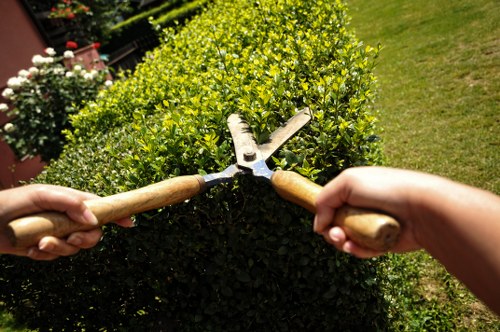 Community and charitable redistribution — our charity partnerships focus on reuse before recycling. Items such as plant pots, trellis, and sound timber are cleaned and offered to community groups; surplus topsoil and compost made from garden waste is recycled back into local allotments and park projects. We work with registered charities that specialise in urban gardening and habitat restoration, ensuring that surplus resources keep producing value rather than becoming waste.
To support residents and businesses, we also provide advice on how Westminster's waste separation rules affect garden waste: how to separate food and garden streams, which plastics are recyclable in borough collections, and when to use designated transfer stations for bulk green waste. These light-touch educational activities help reduce contamination and improve the yield of recyclable outputs.
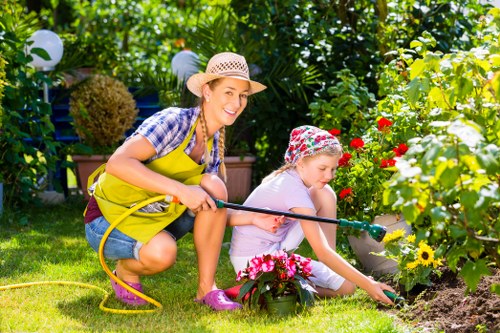 Operational measures for a sustainable gardening operation — we prioritise practices that minimise waste generation: composting on-site where space and local planning allow, using reclaimed aggregate for hard landscaping, selecting durable materials to avoid frequent replacements, and scheduling routes that reduce vehicle miles. Our commitment to low-emission transport, combined with careful sorting at collection, contributes to lower lifecycle emissions for each project.
We publish annual summaries of our recycling performance and continually refine our processes to meet the evolving standards of urban waste management. By maintaining transparent reporting on our recycling percentage target and using local transfer stations and charity partnerships, Gardeners Westminster aims to be a local leader in sustainable gardening and resource-conscious landscaping.
In closing, our multi-faceted approach to recycling and sustainable gardening in Westminster combines operational change, community partnership, and investment in cleaner transport. It is designed to protect green spaces, reduce greenhouse gas emissions, and deliver a resilient, low-carbon service that aligns with the boroughs' waste separation strategies and environmental goals.
Key actions at a glance:
- Hit a 70% recycling percentage target for garden and green waste by 2030
- Use local transfer stations to minimise haul distances and maximise processing efficiency
- Partner with charities to redistribute reusable materials and compost
- Operate a fleet of low-carbon vans for inner-borough collections
- Follow borough-specific waste separation rules to reduce contamination
By integrating these elements, Gardeners Westminster delivers a practical and accountable recycling and sustainability programme for gardeners, landscapers and urban green-space managers. Our aim is to make the sustainable rubbish gardening area the default option across the borough, supporting healthy soils, productive community spaces, and a lower-carbon future.

