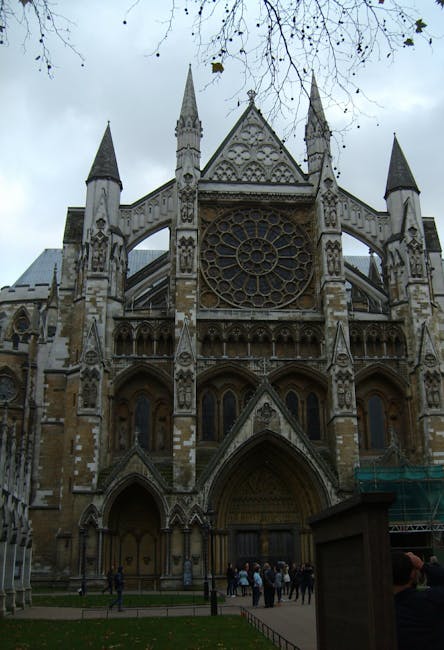
Westminster Abbey area gardeners guide for period properties
Period gardens near Westminster Abbey have a charm that is hard to fake. The clipped hedges, old brickwork, mature trees, narrow paths, and small but carefully arranged planting beds all tell a story. But they also bring a few headaches. Shade, roots, awkward access, stone detailing, and the need to keep everything looking refined without stripping away character can make even simple garden work feel a bit delicate.
This Westminster Abbey area gardeners guide for period properties is designed to help you make sensible decisions, whether you are maintaining a listed townhouse garden, refreshing a courtyard, or trying to keep a long-established front garden tidy through the seasons. You will find practical steps, common mistakes, comparison points, and the kind of detail that helps you avoid expensive missteps. Because let's face it, a period garden is not just a garden. It is part of the building's identity.
If you are comparing services or planning a proper seasonal tidy-up, it can help to start with a clear view of the full range of local support through the services overview and, if needed, broader garden maintenance options.
Table of Contents
- Why Westminster Abbey area gardeners guide for period properties Matters
- How Westminster Abbey area gardeners guide for period properties Works
- Key Benefits and Practical Advantages
- Who This Is For and When It Makes Sense
- Step-by-Step Guidance
- Expert Tips for Better Results
- Common Mistakes to Avoid
- Tools, Resources and Recommendations
- Law, Compliance, Standards, or Best Practice
- Options, Methods, or Comparison Table
- Case Study or Real-World Example
- Practical Checklist
- Conclusion
- Frequently Asked Questions
Why Westminster Abbey area gardeners guide for period properties Matters
Gardening around Westminster Abbey and the surrounding historic streets is a different job from maintaining a newer suburban plot. Period properties often have gardens that are smaller, more structured, and more visually exposed. A couple of untidy weeks can make the whole frontage feel neglected. On the other hand, overworking the space can make it look oddly modern or stripped of personality.
That balance matters. Older properties usually reward restraint: shaped but not over-clipped, tidy but not sterile, planted with seasonal interest rather than constant visual noise. In practice, this means the gardener has to understand both horticulture and heritage sensitivity. The wrong cut on a mature shrub, an unsuitable hard edge, or a poorly thought-out clearance can change the feel of the entire property.
There is also the day-to-day reality of Westminster living. Access can be tight. Neighbours are close. Noise, waste removal, and timing all matter more than they would in a larger or more private garden. A good plan has to respect the property, the street, and the rhythm of the building itself.
Expert summary: In period gardens, the goal is rarely to "do more". The goal is to preserve character, improve health, and make maintenance easier without creating visual clutter or damaging old features.
If your property includes old stone steps, iron railings, mature trees, or a courtyard with limited light, the right approach is usually calm, measured, and seasonal. Not flashy. Not rushed. Just careful.
How Westminster Abbey area gardeners guide for period properties Works
A good period-property gardening plan follows the shape of the building, the garden's light levels, the condition of its planting, and the amount of upkeep you can realistically sustain. There is no single formula, which is why cookie-cutter advice tends to fail here. Truth be told, period gardens punish shortcuts.
The process usually starts with observation. What survives winter well? Where does moss collect? Which corners dry out fast? Which shrubs have outgrown their position? In Westminster, even a tiny courtyard can have several different microclimates because of surrounding walls and reflected heat from masonry. That means the gardener needs to read the space before cutting, digging, or replanting.
From there, maintenance work is typically grouped into a few practical layers:
- Structure: hedges, topiary, boundary planting, and any visible lines that keep the garden looking ordered.
- Health: deadheading, pruning, feeding, checking for disease, and improving soil condition where needed.
- Access and safety: clearing paths, checking overhanging growth, and keeping steps, gates, and narrow routes usable.
- Seasonal appearance: changing container displays, refreshing mulch, and ensuring the garden still looks cared for even when flowers are sparse.
In some cases, this work sits alongside related services such as hedge trimming, lawn mowing, or even selective tree lopping and removal where larger growth is affecting light, safety, or the building itself.
The method is less about one-off transformation and more about steady stewardship. That word suits period properties well. Stewardship.
Key Benefits and Practical Advantages
When a period garden is managed properly, the benefits are both visible and practical. Some are obvious immediately. Others only become obvious six months later, which is often where the real value sits.
- Better kerb appeal: a refined frontage or courtyard gives the property a composed, cared-for feel.
- Less long-term damage: regular attention helps prevent root conflict, blocked drains, invasive growth, and boundary pressure.
- More usable space: the garden feels easier to walk through, sit in, and enjoy.
- Improved planting performance: old shrubs, bulbs, climbers, and borders tend to respond better to consistent, light-touch care.
- Stronger heritage fit: the space keeps its period character instead of drifting into something generic.
- Reduced stress for the owner: once the routine is established, there is less panic before visitors, inspections, or seasonal events.
One advantage people sometimes overlook is how much easier maintenance becomes after a garden has been properly reset. A light, thoughtful clearance can remove the chaos without flattening the structure. That is where services such as garden clearance can be especially useful, particularly if a property has been left alone for a while or inherited with heavy, unmanaged growth.
Another practical benefit: a tidy garden makes it easier to spot problems early. You notice a leaning fence sooner. You see a failing climber before it spreads. You hear the difference when a path is clear underfoot. Small things, but they matter.
Who This Is For and When It Makes Sense
This guide is for anyone responsible for a period property garden near Westminster Abbey, but especially for people who need to balance aesthetics, maintenance, and the realities of London living.
- Owners of Georgian, Victorian, Edwardian, or interwar homes with original garden features.
- Landlords or managing agents looking after a prestigious rental property.
- Residents with small enclosed gardens, courtyards, terraces, or front plots.
- Households that want regular maintenance rather than one-off dramatic changes.
- People managing older gardens with mature shrubs, climbing plants, or established trees.
It makes sense to bring in professional help when any of the following apply:
- the garden has become overgrown and needs careful sorting
- you are unsure what to prune, what to keep, and what to leave alone
- access is awkward or narrow
- there are boundary, height, or shade issues affecting the planting
- the property has features you want to protect rather than replace
To be fair, many period gardens do not need a grand redesign. They need rhythm. They need consistency. And they need someone to notice the details others miss. That can be the difference between "nice enough" and "properly looked after".
Step-by-Step Guidance
If you are planning work on a period garden, a measured approach usually gives the best result. Below is a practical sequence that works well for many Westminster properties.
- Assess the garden honestly. Look at light, shade, access, existing planting, drainage, and how much time you really have to maintain it.
- Protect the architectural character. Keep an eye on original stonework, railings, brick edges, paths, and any historic paving. Do not treat them like disposable surfaces.
- Remove obvious clutter first. Clear dead growth, fallen material, and anything blocking routes before you start shaping or replanting.
- Prune with a purpose. Cut for plant health, light, and structure, not just for the sake of neatness. Over-pruning is a common misstep.
- Decide what should stay dominant. In most period gardens, one or two strong features should lead the design. A mature box hedge, a clipped yew shape, a stone planter, or an established tree can anchor the whole space.
- Refresh the soil and mulches. Healthy soil is the quiet engine of a good garden. In old gardens, compacted or tired soil is very common.
- Rebalance planting. Replace weak, repetitive, or inappropriate plants with varieties that suit the available light and maintenance level.
- Set a maintenance rhythm. Weekly, fortnightly, or seasonal visits can prevent the garden slipping back into disorder.
If you want ongoing support, a structured maintenance plan is often better than occasional rescue work. That is especially true in dense London settings, where growth can jump forward quickly after rain and warmth. One week it looks fine. Two weeks later, the box hedge is doing its own thing.
A simple decision rule
If a plant contributes to the period feel, keep it and manage it. If it is healthy but poorly placed, consider moving or reducing it. If it is dominating the space, causing damage, or adding clutter without value, it may need to go.
Expert Tips for Better Results
Here are a few field-tested habits that tend to improve results in Westminster period gardens. Nothing glamorous. Just the sort of things that save time and grief later.
- Prune less aggressively than you think. Older gardens often look best when the shapes remain slightly soft, not barbered into stiffness.
- Work with the light you have. In shaded courtyards, choose plants that cope with low light instead of trying to force sun-lovers into failure.
- Use repetition carefully. Repeated planting can create calm, but too much repetition can make a small garden feel flat. A little variation helps.
- Keep a buffer around old walls and masonry. Planting too close can trap moisture or complicate repairs.
- Think about sightlines from inside the house. In many period properties, the garden is experienced through windows more than through long outdoor walks.
- Schedule maintenance before things become messy. Preventive work is cheaper and kinder to plants than emergency cuts.
One very ordinary example: a clipped evergreen shrub that has started leaning into a path. Many people put it off because it still looks "mostly okay". But a quick tidy now is easier than a bigger structural correction later. Gardens have a way of collecting delays, then charging interest. Sneaky things.
Also, don't underestimate the value of a clean edge. A decent border line can make even a modest planting scheme look intentional. It is a small thing, but a powerful one.
Common Mistakes to Avoid
Period gardens are forgiving in some ways and very unforgiving in others. A few common mistakes can undo a lot of good work.
- Over-modernising the layout. Not every garden needs hard symmetry or minimal planting. Sometimes that can fight the building.
- Cutting back old shrubs too hard. Some plants tolerate renovation, others sulk for years. Know which is which before you start.
- Ignoring root pressure and drainage. Mature planting, paving, and old foundations can interact in awkward ways.
- Choosing plants for appearance alone. In a Westminster setting, practicality matters. A plant that looks lovely but fails in shade is a recurring problem.
- Letting seasonal work pile up. Once the structure is lost, restoring a period garden takes more time and money.
- Forgetting access and waste handling. Narrow entrances and controlled disposal can shape how the work is planned.
It is also worth avoiding the "everything at once" approach. A garden with history usually improves faster when you phase the work. Take out the wrong stuff, keep the good bones, then build slowly. Ripping everything up in one go can leave the space feeling oddly rootless.
Tools, Resources and Recommendations
You do not need an enormous toolkit to care for a period property garden well, but you do need the right tools for careful work. Heavy-handed gear is not always your friend here.
- Bypass secateurs: for clean pruning on smaller stems and softer growth.
- Loppers: useful for thicker stems where a neat cut matters.
- Hedge trimmers: best used with restraint on formal lines and shaped planting.
- Lightweight rakes and hand tools: better for courtyards and tight access than bulky equipment.
- Moisture-aware planting choices: especially useful for shady, enclosed, or exposed urban spots.
- Compost and mulch: simple, practical, and often overlooked.
For larger jobs, it can be helpful to use a service that can combine several tasks sensibly rather than treating each as a separate project. For example, maintenance may sit alongside landscaping or more targeted landscape gardening where the garden needs reshaping while still respecting the original character.
And if a space needs structural additions like simple paving, raised platforms, or a more usable sitting area, some property owners also look into decking services as part of a broader scheme. That said, decking is not always the answer. Sometimes the old stone path is exactly what gives the place its tone.
Law, Compliance, Standards, or Best Practice
With period properties, compliance is usually less about dramatic legal drama and more about sensible care, permission awareness, and safety. If the building is listed or sits within a conservation-sensitive setting, you should be cautious about changing structures, removing mature planting, or altering visible features. In practice, it is wise to check before making changes that could affect the character of the property.
For gardens near historic buildings, best practice normally includes:
- avoiding unnecessary damage to original fabric, walls, railings, and paving
- using qualified help for larger trees or higher-risk work
- planning waste removal and recycling responsibly
- keeping pathways, steps, and access routes safe and free of trip hazards
- making sure contractors carry appropriate insurance and follow safe working practices
Safety matters more than people sometimes admit. Even light pruning near old stone can go wrong if ladders, tools, or debris are handled badly. If you are comparing contractors, it is sensible to ask how they approach risk, access, and insurance. The site's own insurance and safety information, along with its health and safety policy, can help you judge the professionalism of the service before work begins.
Responsible disposal matters too, especially in dense urban areas where green waste can become a nuisance if handled carelessly. A good contractor should think about recycling and sustainability rather than treating waste as an afterthought. Small detail, big difference.
Options, Methods, or Comparison Table
Period property owners often choose between a few different levels of gardening support. The right option depends on time, budget, and how much intervention the garden actually needs.
| Approach | Best for | Strengths | Limitations |
|---|---|---|---|
| Regular maintenance | Established period gardens that already have good structure | Keeps the garden tidy, predictable, and healthy | Less suitable if the garden is badly overgrown |
| Seasonal tidy-up | Properties that need spring and autumn attention | Good for clear, defined bursts of work | Can allow growth to get ahead between visits |
| Garden reset / clearance | Neglected or inherited gardens | Creates a clean starting point and removes clutter | Needs careful judgement to avoid removing character |
| Full landscaping project | Gardens needing layout changes, new surfaces, or deeper redesign | Can improve flow, use, and long-term function | Higher commitment and more disruption |
For many Westminster Abbey area properties, the sweet spot is a mixture: a reset if needed, then regular upkeep. Not too much, not too little. That's usually where the best-looking gardens live.
Case Study or Real-World Example
Imagine a small rear courtyard behind a late-Victorian terrace near the Abbey area. The garden has a clipped evergreen hedge, a tired-looking border, one mature tree, and several pots that have drifted into a bit of a mess. The owner has only occasional time to maintain it, and the space has started to feel dark, crowded, and slightly forgotten.
A sensible plan would not begin with ripping everything out. First, the overgrown material would be assessed. The hedge would be trimmed carefully to restore shape and light. Dead stems in the border would be removed. The pots would be simplified rather than multiplied. The mature tree would be checked for any safety or light issues before any cutting is considered. Then the soil would be refreshed and a few shade-tolerant plants introduced to soften the space.
The result is not a brand-new garden. Better than that, actually. It feels like the original space has been rediscovered. The stone paving shows again. The hedge reads as a feature rather than a problem. From the kitchen window, the whole courtyard suddenly feels calmer. More deliberate. More alive.
That is the real aim in many period properties. Restoration of feeling, not just tidiness.
Practical Checklist
Use this checklist before arranging work or reviewing an existing garden plan.
- Have you identified which features are original, mature, or architecturally important?
- Do you know which plants are helping the garden and which are just taking up space?
- Have access routes, steps, and paths been checked for safety?
- Is there any moss, damp, or drainage issue that needs attention?
- Are hedges, climbers, or trees affecting light or boundary lines?
- Have you decided whether you need maintenance, clearance, landscaping, or a mix?
- Are waste handling and recycling part of the plan?
- Do you have a realistic maintenance schedule after the main work is done?
- Have you considered insurance, safety, and site protection for any contractor work?
Quick practical reminder: if you cannot maintain a planting choice easily, it will probably become a problem later. Beautiful but demanding plants are a bit like houseguests who never leave.
Conclusion
Period gardens around Westminster Abbey deserve a careful hand. They are not spaces to bulldoze into shape or over-style for effect. They work best when their history, structure, and seasonal rhythm are respected. With the right approach, even a small courtyard or narrow frontage can feel composed, welcoming, and quietly impressive.
The main idea is simple: protect what gives the property character, improve what is underperforming, and make the maintenance realistic enough to sustain. That is the long game. And in a place like Westminster, the long game usually wins.
For tailored support, the most sensible next step is to review the relevant service options, compare the scope you need, and speak with a team that understands both garden craft and the realities of period-property care.
Get a free quote today and see how much you can save.
Sometimes the best gardens are the ones that never shout. They just keep getting better, quietly, year after year.
Frequently Asked Questions
What makes period property gardening different in the Westminster Abbey area?
It is usually a mix of heritage sensitivity, limited space, mature planting, and close neighbours. The work needs to keep character intact while making the garden easier to live with.
Do period gardens always need specialist treatment?
Not always, but they do benefit from someone who understands older planting, formal structure, and the risks of over-pruning. A generic approach can work against the garden very quickly.
How often should a period property garden be maintained?
That depends on the planting and the pace of growth, but many gardens in central London benefit from regular visits rather than very occasional big jobs. Consistency usually matters more than intensity.
Is garden clearance safe for older, established gardens?
Yes, if it is done carefully. The key is to remove clutter and problem growth without stripping out the mature features that give the garden its value and identity.
Can hedge trimming damage a period garden?
It can, if the hedge is cut too hard or at the wrong time. Done properly, hedge trimming helps preserve shape, privacy, and structure.
What should I do if my garden has poor light?
Choose plants suited to shade, reduce overcrowding, and avoid forcing sun-loving varieties into a dark corner. Shade gardens can look elegant, but they need the right plant palette.
Are trees in period gardens a problem?
Not necessarily. Mature trees can be one of the best features in a period garden. The issue is usually management: light, roots, safety, and whether the tree is still suitable for the space.
Should I redesign or simply maintain an old garden?
If the structure is good, maintenance may be enough. If the layout no longer works, a thoughtful redesign can help, but it should still respect the property's style.
How do I know if I need landscaping rather than maintenance?
If you are changing levels, paths, layout, or hard landscaping elements, that is moving into landscaping territory. If the main job is upkeep, pruning, mowing, and tidying, maintenance may be the better fit.
What is the biggest mistake homeowners make with period gardens?
Probably overdoing the first pass. People often try to make everything neat at once and end up removing too much, too fast. A slower approach usually protects the garden better.
Can I combine clearance, maintenance, and planting in one visit?
Yes, and often that is the most efficient approach. A careful contractor can clear problem growth, tidy the structure, and set up the space for easier ongoing care.
How do I choose a gardener for a period property near Westminster Abbey?
Look for practical experience, clear communication, awareness of safety and insurance, and an approach that respects older buildings. You want judgement, not just enthusiasm. That really is half the battle.